
Kim Choo Kueh Chang has famous handmade rice dumplings
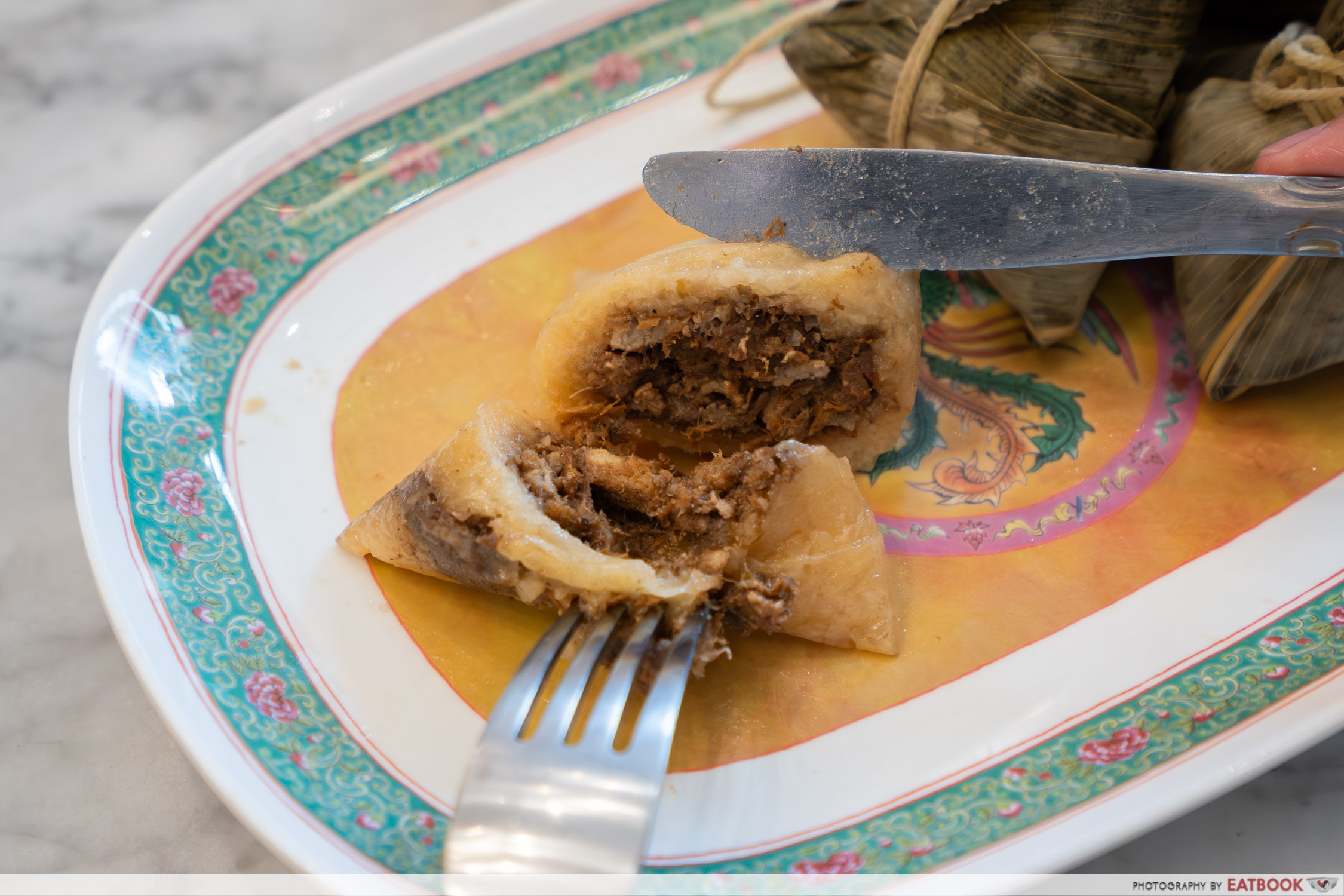
With the Dragon Boat Festival fast approaching, there’s just one thing on my mind: rice dumplings. Traditionally eaten during the festival to celebrate the legend of Chinese poet Qu Yuan, these glutinous rice dumplings hold a special place in my heart.
Interestingly, my first dumpling wasn’t eaten during the festival itself, but at a roadside stall in Pulau Ubin during a cycling trip with my fam. Since then, they’ve become a favourite snack in my household, enjoyed throughout the year.
10 Best Bak Chang Delivery And Takeaway For Dragon Boat Festival 2026
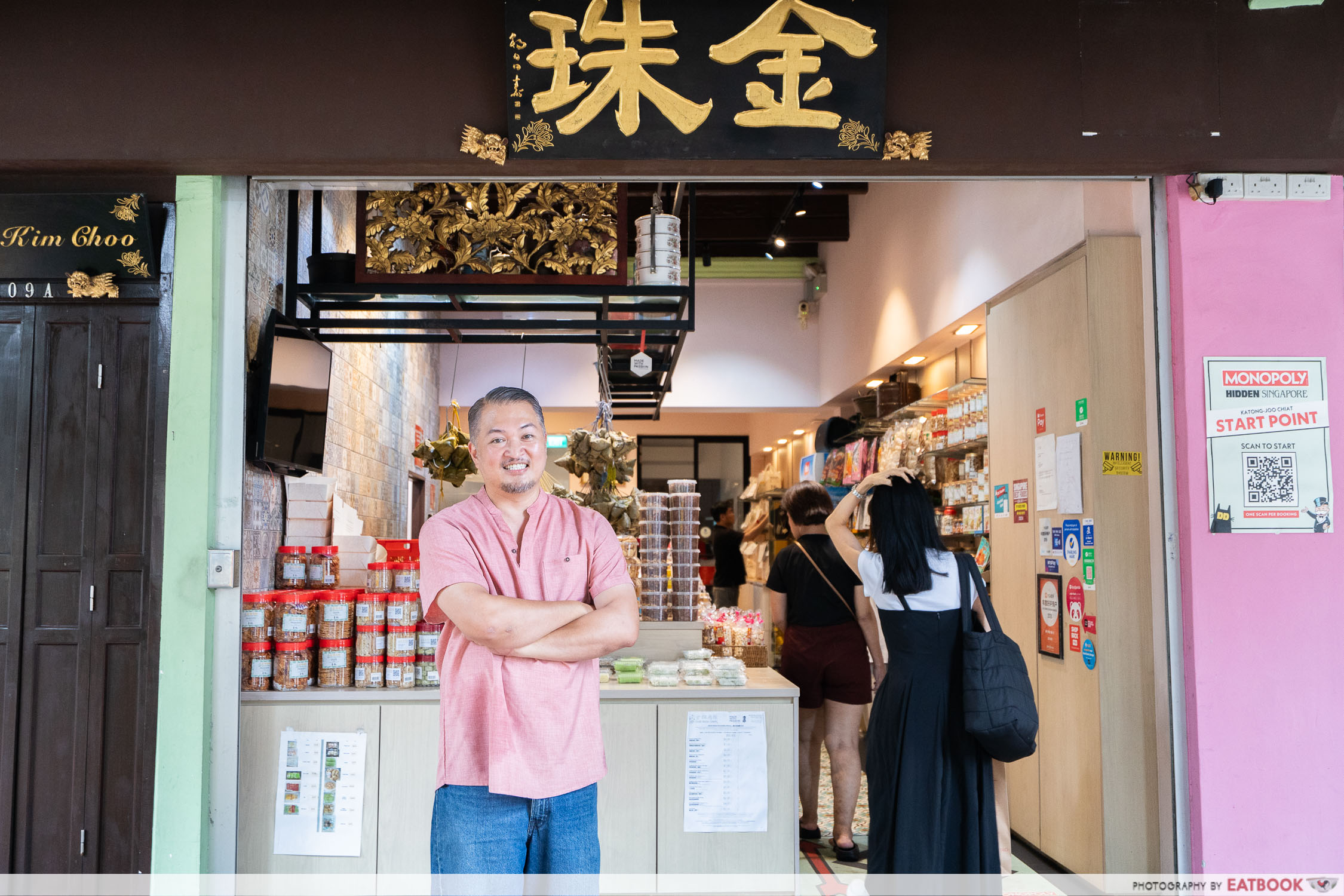
Yet, despite eating them for years, I realised I knew surprisingly little about them—that is, apart from how delicious they are. Curious to know more, we visited Kim Choo Kueh Chang, one of Singapore’s OG zongzi spots, to uncover the story behind the dish and the heritage business with third–generation owner Edmond Wong.
Kim Choo Kueh Chang: Legendary Nyonya Dumplings And Kueh At Joo Chiat
The origins of Kim Choo Kueh Chang
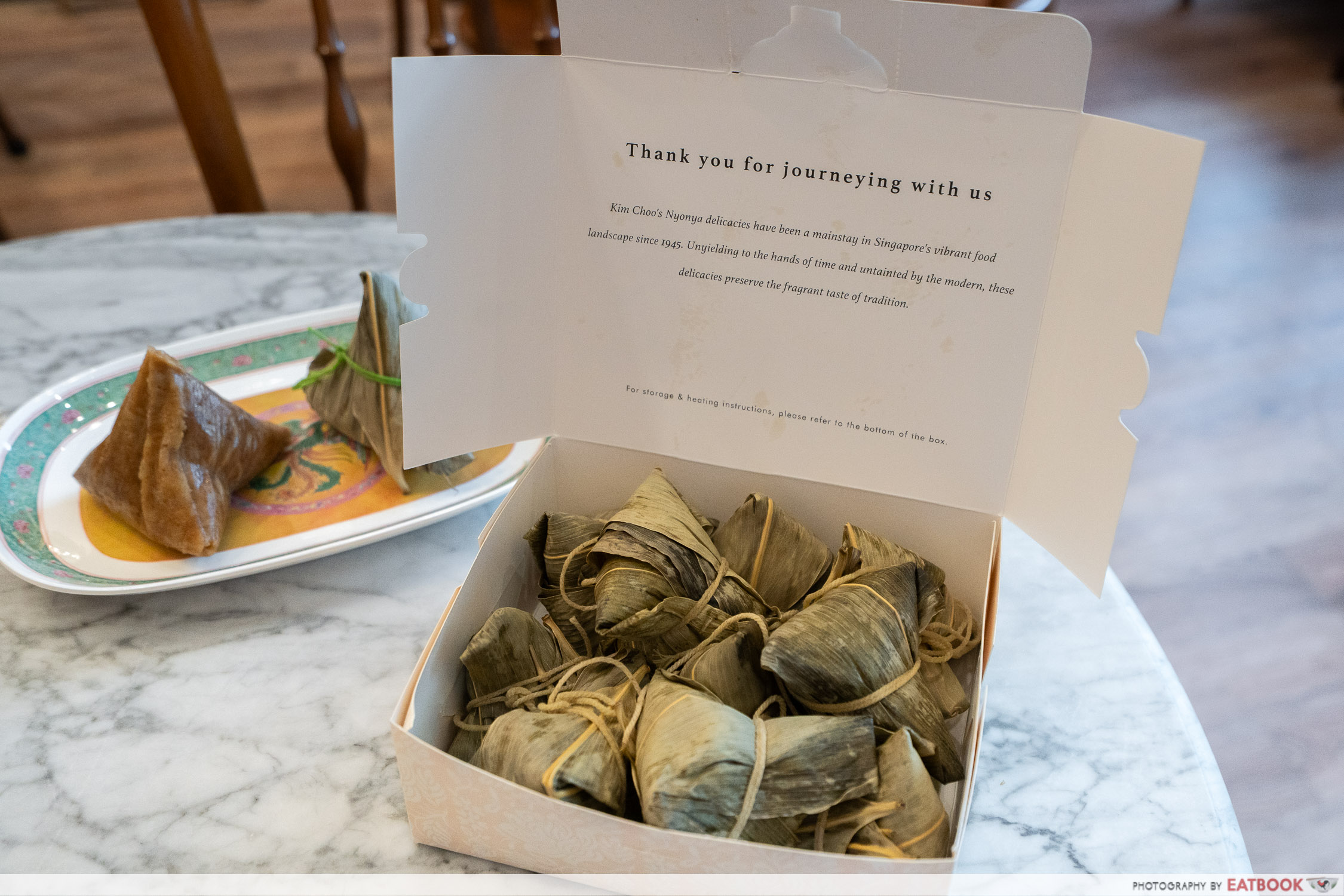
Today, Kim Choo Kueh Chang is widely regarded as one of Singapore’s most iconic bak chang and Nyonya kueh chang brands. What many may not know, however, is that the heritage business began from humble origins, over 80 years ago.
The business was first started by Wong’s great–great–grandmother in the early 1940s. After World War II, his grandmother, Madam Lee Kim Choo, joined the family trade, selling rice dumplings, along with economical rice, and Nyonya kueh under a banyan tree.
According to Wong, the business wasn’t meant to be profitable in the early years. Instead, it was purely a means for survival for the family during a difficult time.
 A black and white photograph of war-stricken Singapore in WW2.
Image credit: National Archives of Singapore
Understandably, things were very challenging at the time, given the scarcity of resources in war-stricken Singapore. Wong shared that his grandmother had to turn to loan sharks for financial support, as banks were nonexistent back then.
“The only way for people to make money would be to loan money from loan sharks, then try their best to make a living from that,” he explained.
Despite these challenges, they stayed resilient. Being a mainstay in the neighbourhood, the business gained quick popularity among locals, especially for their zongzi. In fact, they were so popular that patrons asked her to skip all the other offerings and focus on what she does best: the rice dumplings.
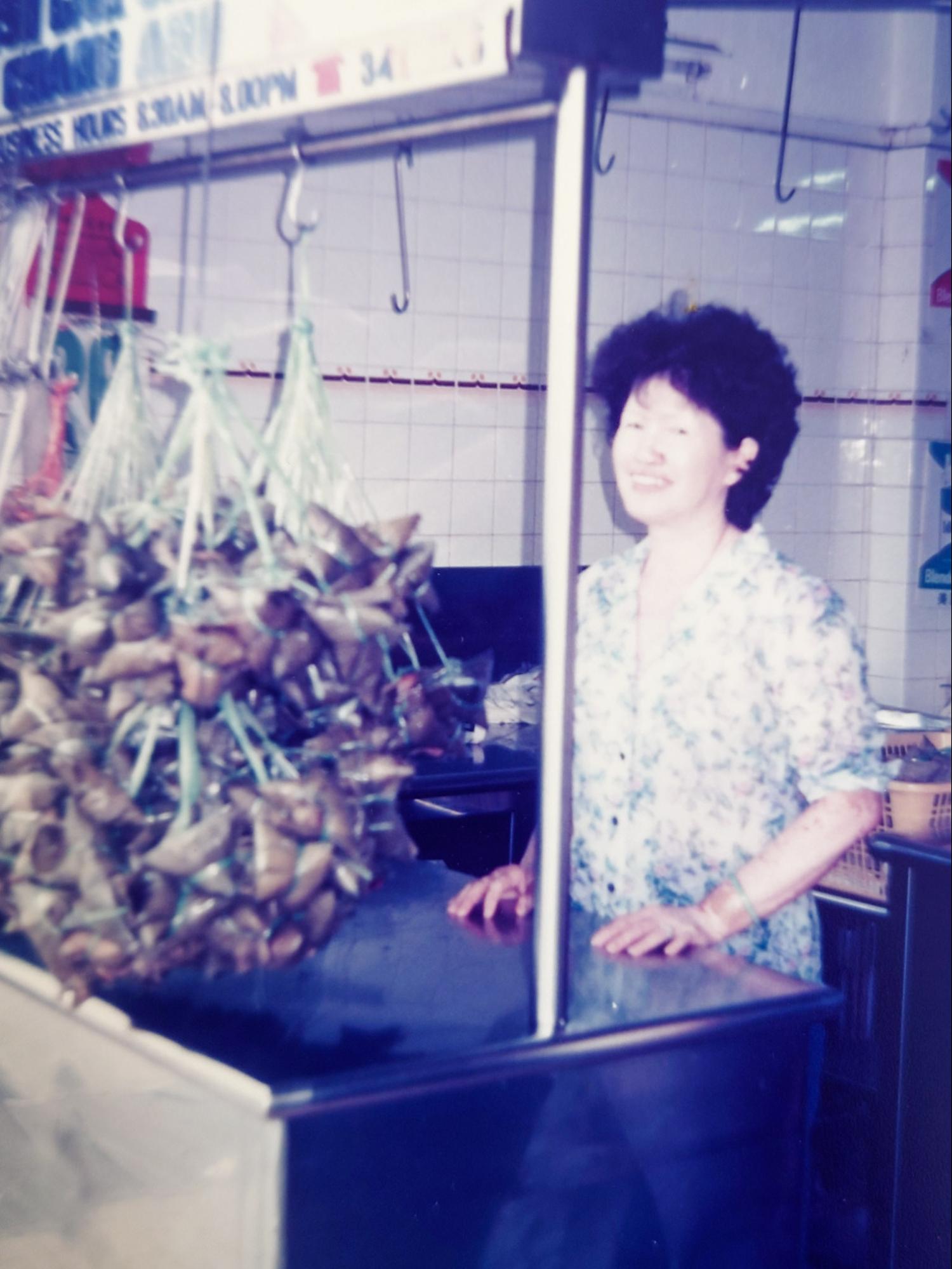 Wong’s grandmother manning the brick-and-mortar shop in Joo Chiat.
Image credit: Edmond Wong
Not long after, the business finally graduated from its banyan tree location. While apprehensive at first, Wong explained that pioneering political figure Dr Fong Kim Heng encouraged his grandmother to open a brick-and-mortar shop in Joo Chiat, even helping her to secure a bank loan.
Navigating modern-day challenges
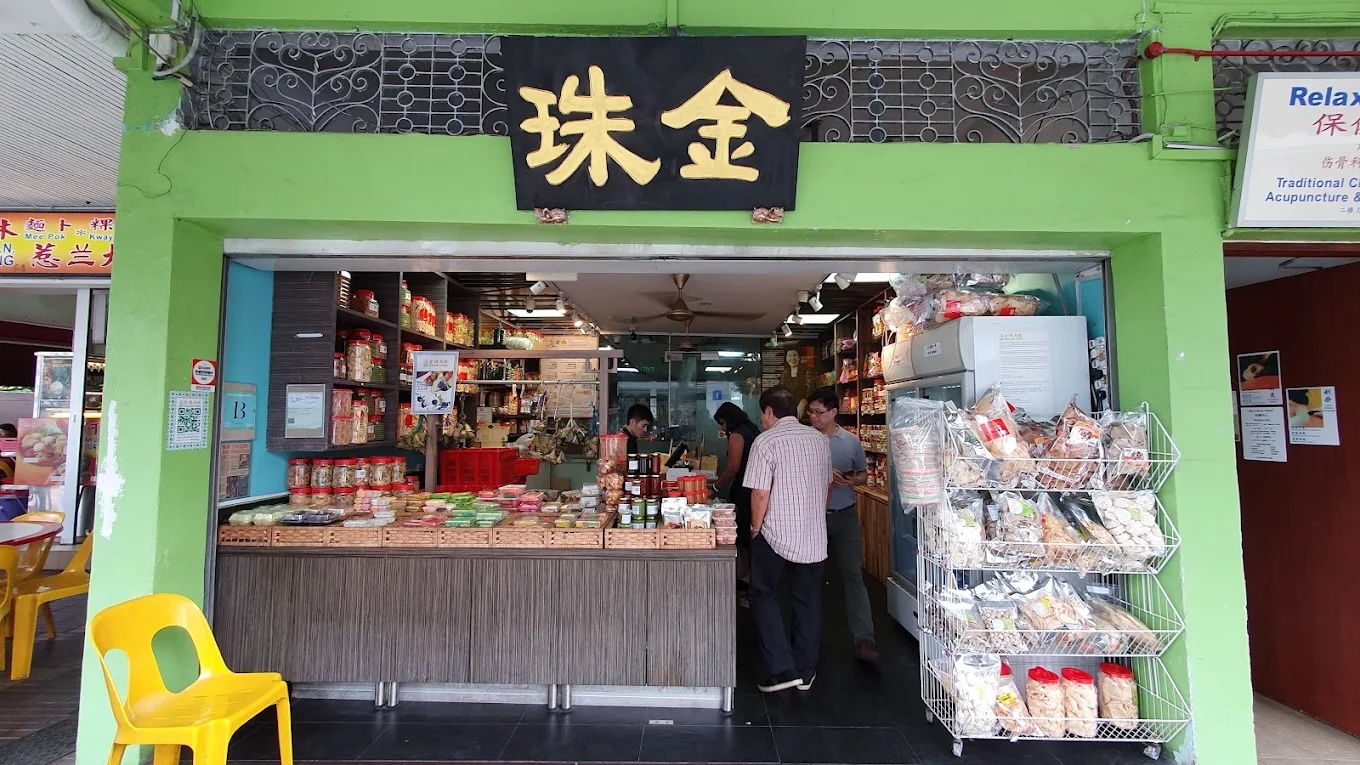 Image credit: Kelvin Cheong via Google Maps
Moving to a proper shop made running the business easier, as it provided much-needed shelter from the scorching heat and rain. But while one issue was solved, many other challenges followed.
“Throughout the years, there were many crises. We had to evolve and adapt to stay alive,” Wong said.
“Throughout the years, there were many crises. We had to evolve and adapt to stay alive.”
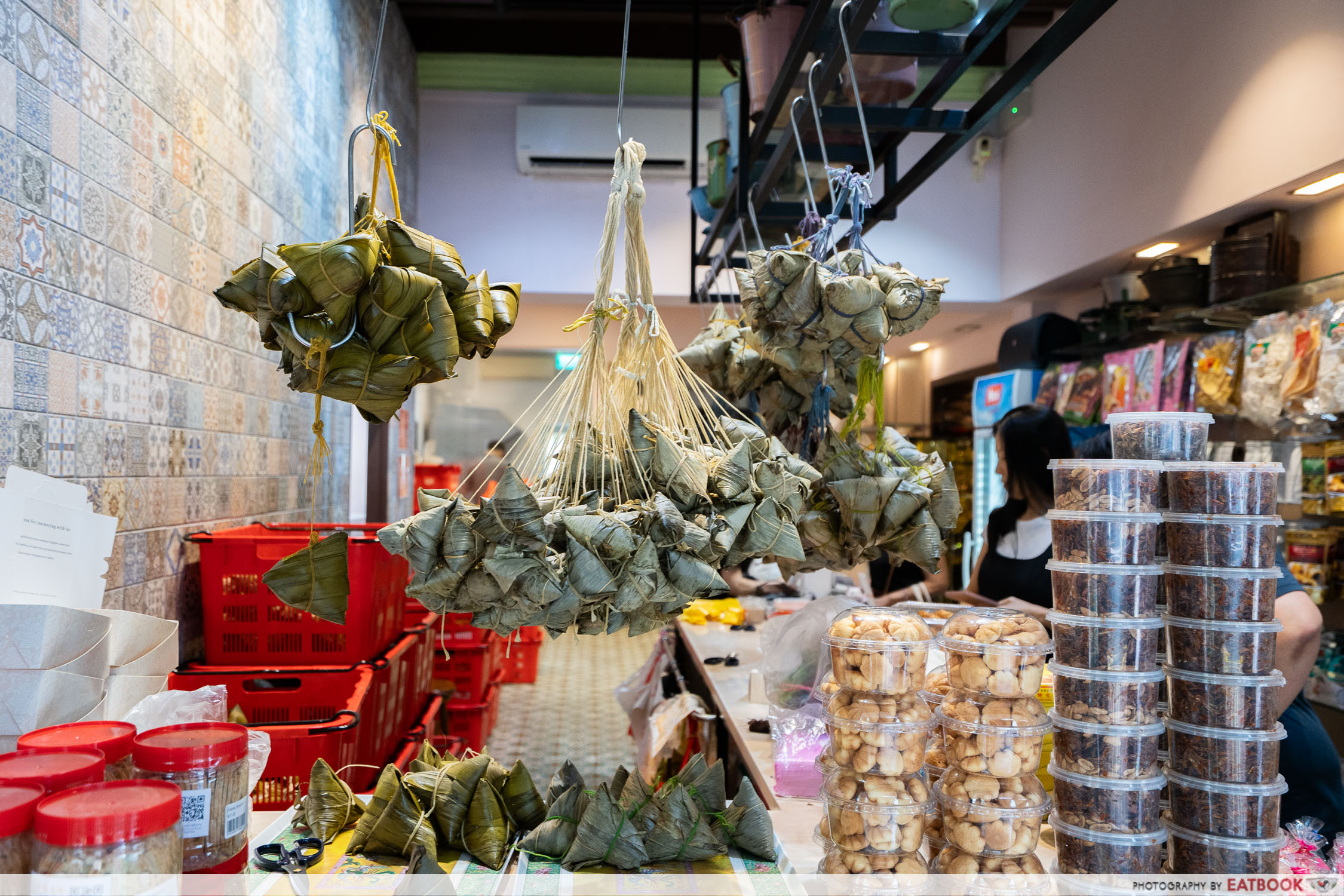
Wong mentioned that this is partly the reason why their menu now features such a wide variety of zongzi flavours. “When the swine flu hit, people avoided pork products, so we made chicken rice dumplings. Then, when the bird flu came, we introduced vegetarian dumplings as well.”
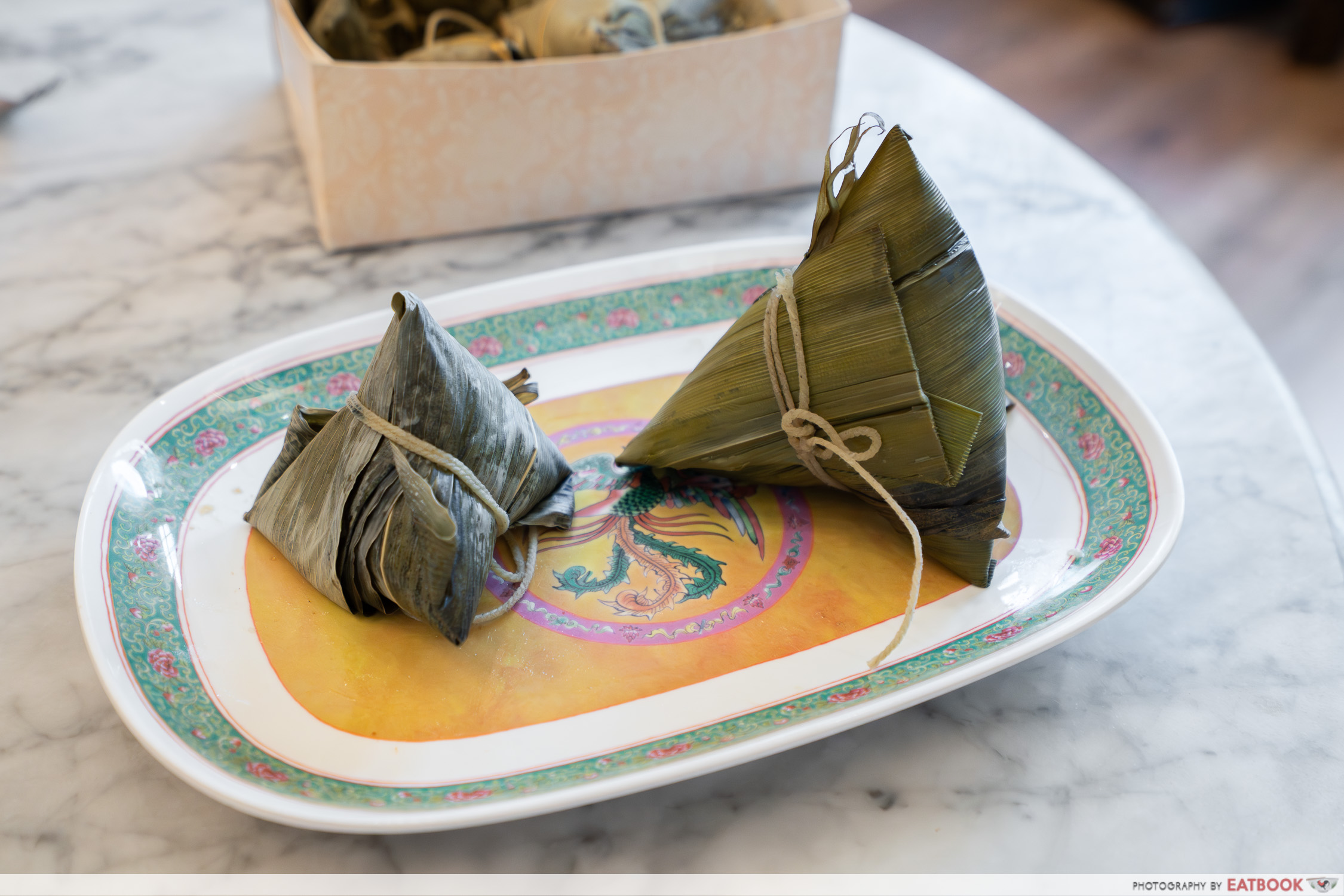
The innovation didn’t stop there. According to Wong, the brand was also the first in Singapore to make mini, “bite-sized” zongzi. Over the years, they’ve continued to experiment with new flavours to stand out from the crowd, with their latest Black Truffle ($9.50+ for festive price) creation being one such example.
Perhaps this willingness to innovate is one reason they’ve managed to survive for so long, despite the Dragon Boat Festival only coming around once a year. In fact, Wong shared that they still sell a few thousand rice dumplings on a typical day.
But innovation alone wasn’t enough to shield the business from challenges. Wong recalled a severe manpower crunch several years ago.
“In 2009, the government cut the quota on the number of foreign workers we could hire. We had to let go of a large part of our staff.”
This was the turning point that prompted him to leave his job in the government sector and join the family business full-time.
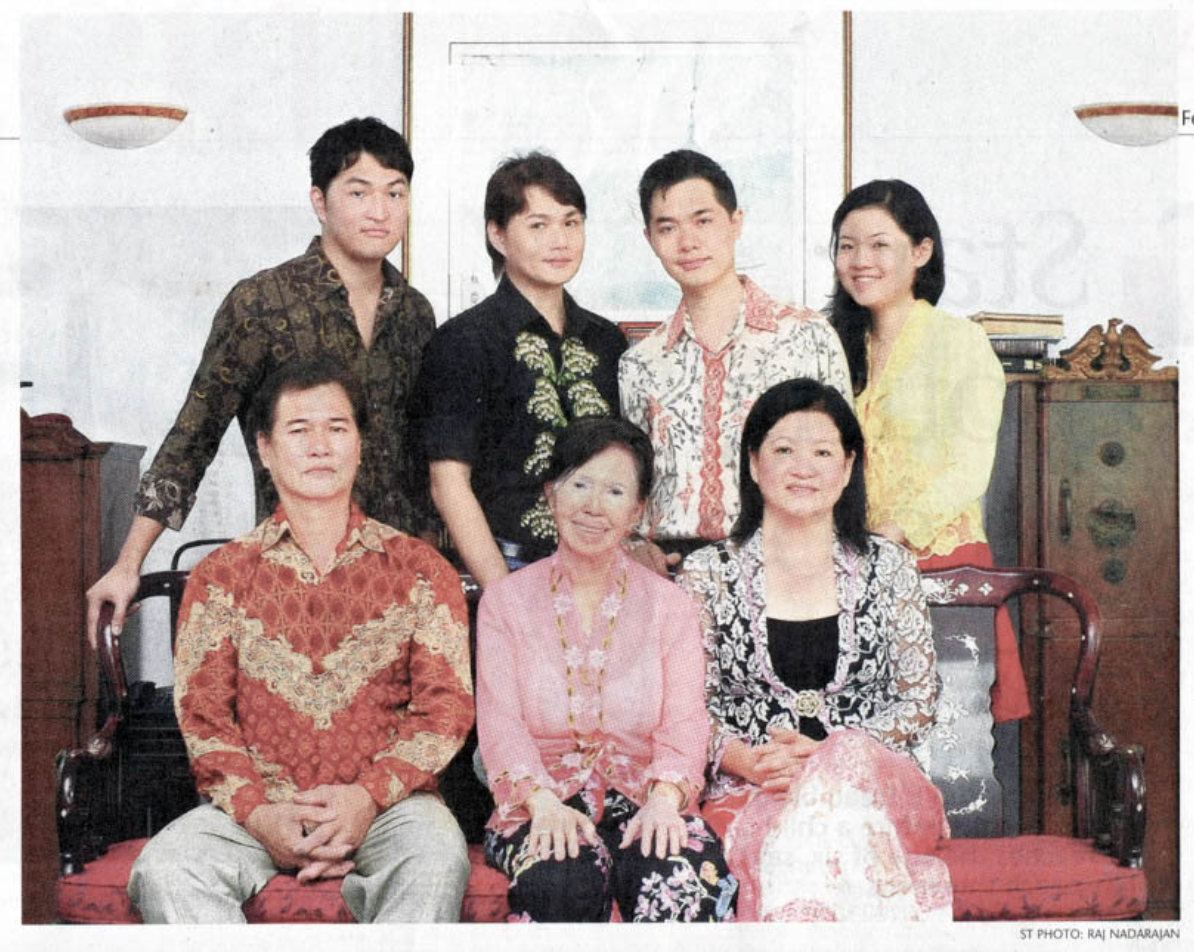 A newspaper cutting of Edmond Wong with his family.
Image credit: Edmond Wong
It wasn’t an easy decision, but what pushed him to change career paths was a childhood story that stayed with him over the years. The tale centred on two brothers, one blind and the other crippled, who constantly quarrelled but had to rely on each other to survive when their house caught fire.
“We all stepped up in different times of crisis,” he said. “My brothers are helping out now, too”.
Wong shared that before he joined the business full-time, his brothers had also left their careers in teaching and accounting to help out during the height of the swine flu outbreak.
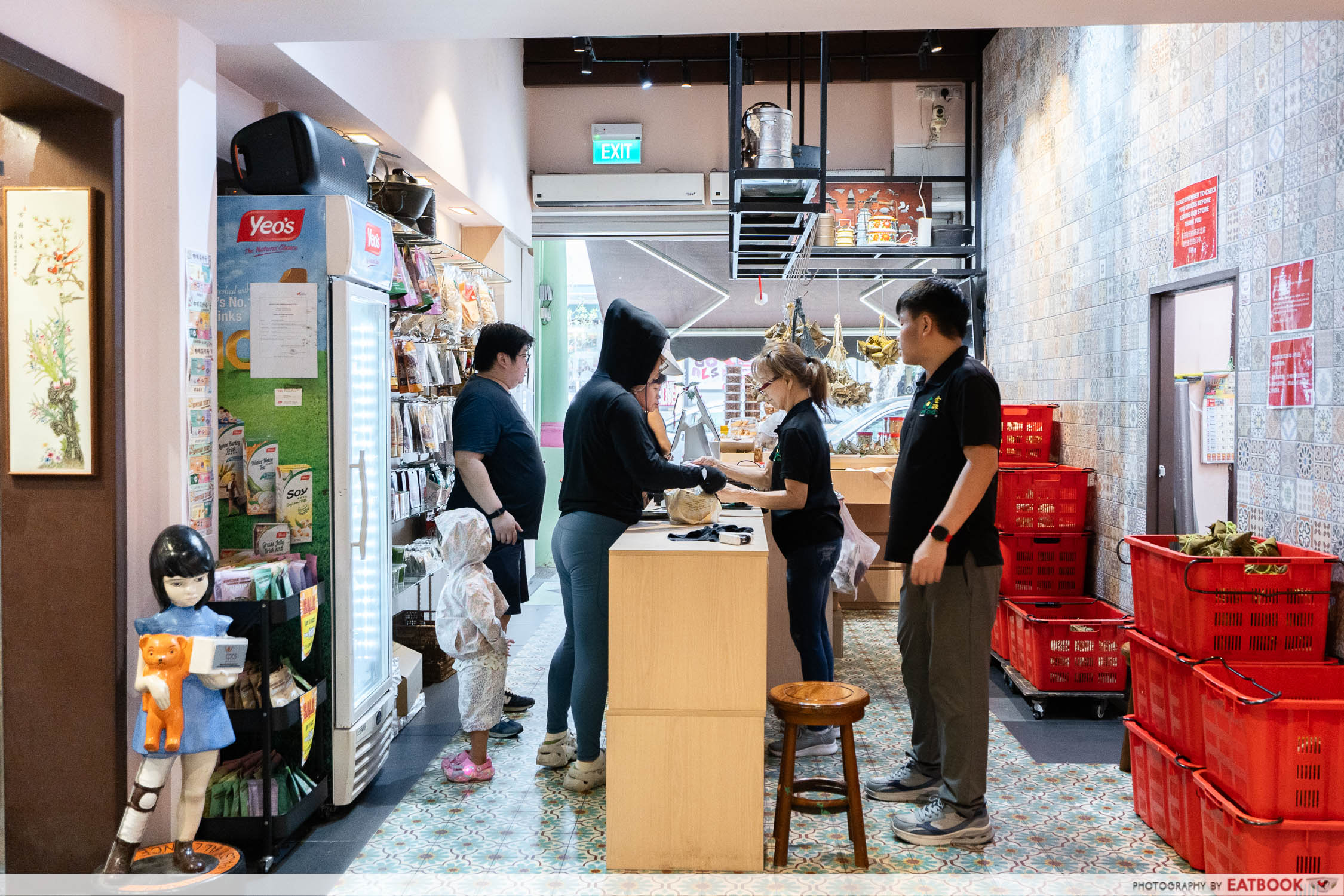
Today, despite the occasional sibling squabble, the brothers continue to work together to grow the family business, each contributing in their own way. While all of them remain involved in production, Wong has helped digitalise the business using his IT expertise, while his eldest brother has expanded the brand beyond dumplings, including designing traditional kebayas sold at the visitor centre.
More than just rice dumplings
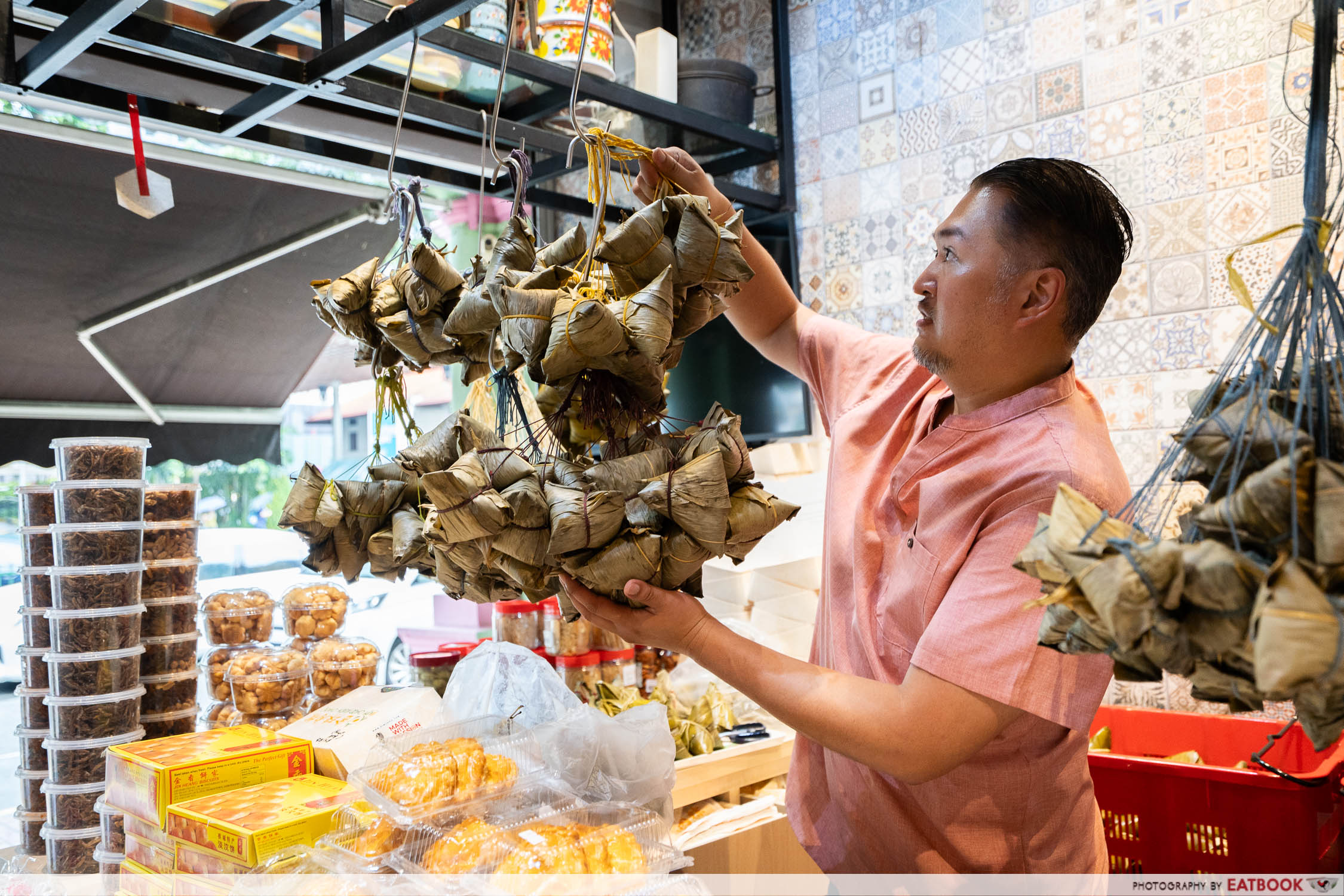
Given all the struggles Wong mentioned, we were curious to know what keeps him going. “It’s the greater mission of preserving our Peranakan heritage, and to make sure it’s all not forgotten,” he replied.
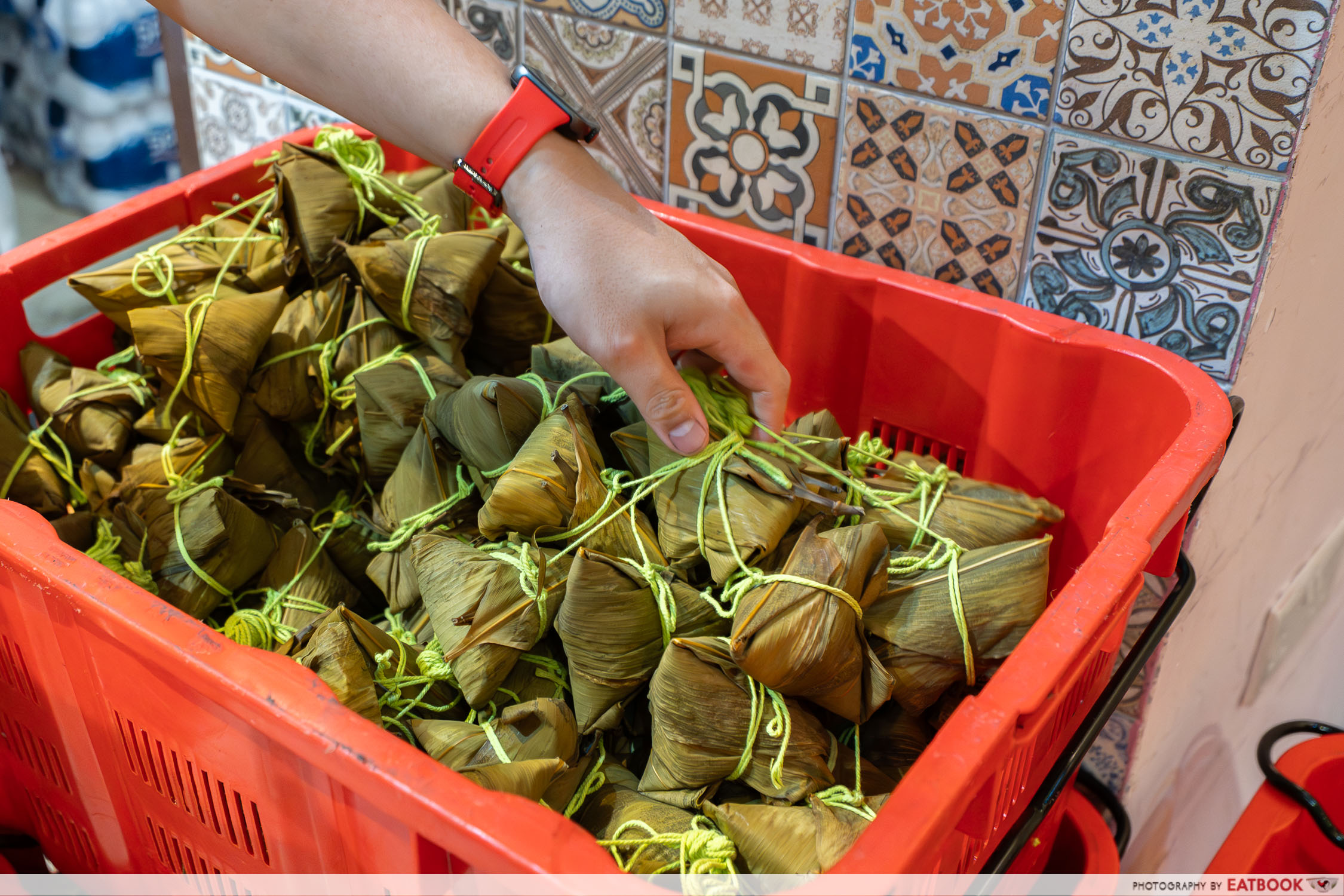
While rice dumplings trace their origins to the Chinese legend of Qu Yuan, they eventually became a big part of Peranakan culture. Wong explained that Chinese immigrants brought the Dragon Boat Festival to the Malay Archipelago, where local ingredients and traditions gradually shaped the Chinese bak chang into something different. This is why Kim Choo sells both traditional bak chang and Nyonya kueh chang today, each representing a different chapter of the dish’s history.
Compared to the savoury Chinese bak chang, Wong shared that Nyonya version has a distinctly sweeter flavour profile. Ingredients such as wintermelon and pandan leaves were incorporated in place of chestnuts and zhong ye leaves, resulting in this unique flavour. To Wong, this evolution is a reminder of how traditions can be shared, adapted, and embraced across different communities over time.
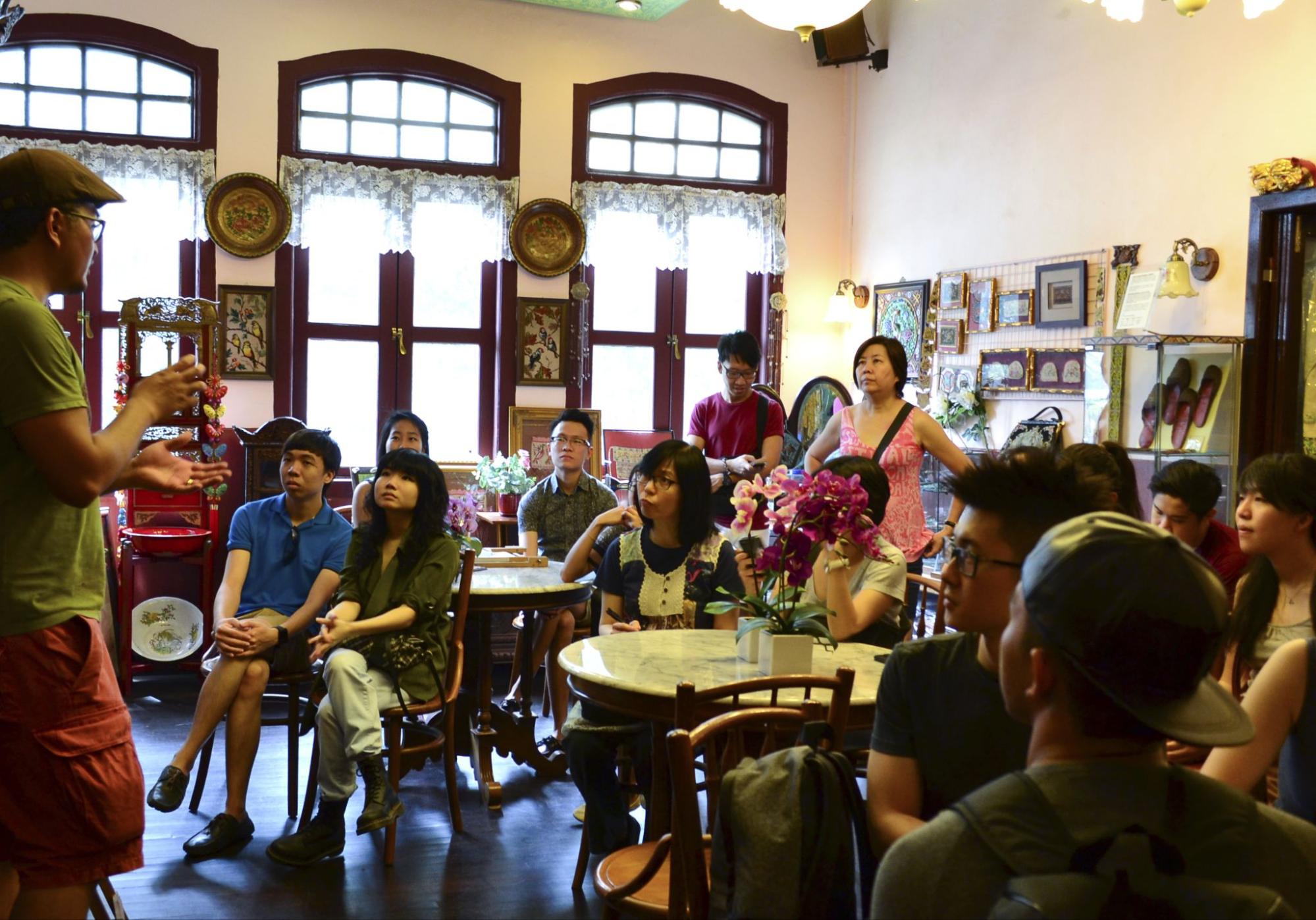 Image credit: Kim Choo Kueh Chang Pte Ltd
The desire to share this, and other stories, is the reason why Kim Choo Kueh Chang has evolved into much more than a simple zongzi shop today. The brand offers several tours and workshops, including hands-on kueh and rice dumpling-making classes, the latter of which Wong leads.
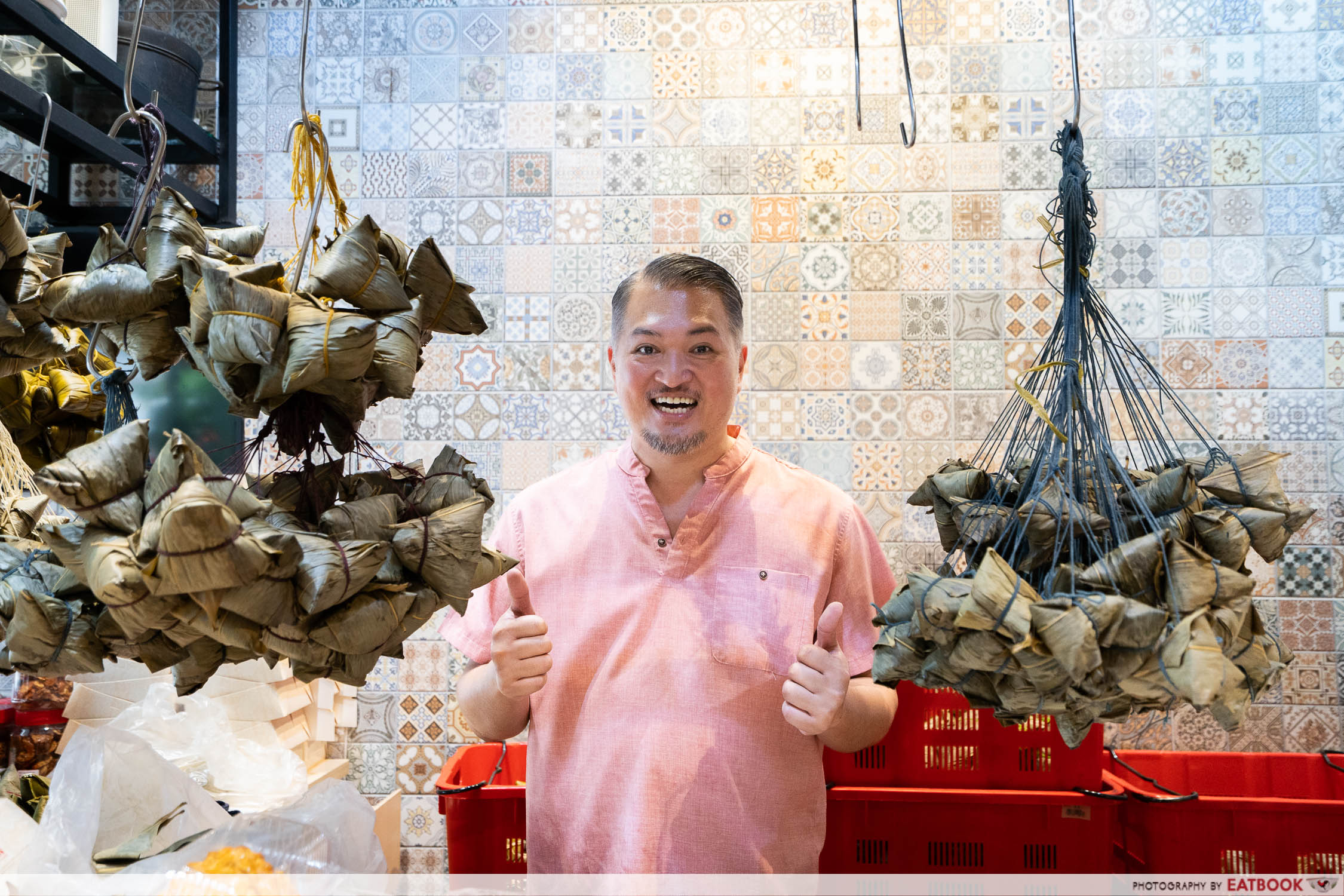
As I left the shop, I realised that the humble zongzi I had enjoyed for years carried more meaning than I had ever imagined. What began as a simple snack on a family trip to Pulau Ubin turned out to be a window into a rich story of culture, resilience, and community—one that Wong is determined to ensure will not be forgotten.
Check out our Instagram video below for our feature of Kim Choo Kueh Chang.
For more interesting stories, check out our Uncle Chieng ice cream feature for a deep dive into why Singapore’s ice cream uncles are disappearing. Otherwise, read our Katong banana pie feature to see if Dona Manis or Auntie Peng comes out on top!
Joo Chiat outlet
Address: 60 Joo Chiat Place, Singapore 427784
Opening hours: Daily 9am to 9pm
Tel: 6344 0830
East Coast Road outlet
Address: 111 East Coast Road, #109, Singapore 428801
Opening hours: Daily 9am to 9pm
Tel: 6741 2125
Website
Kim Choo Kueh Chang is not halal-certified.
Ice Cream Uncles Are Disappearing—We Spent A Day With Orchard’s First To Find Out Why
Photos taken by Nivian Chiang.
This was an independent visit by Eatbook.sg.

Drop us your email so you won't miss the latest news.

